
Understanding Thalassaemia
Thalassaemia, also known as Mediterranean anaemia or Cooley’s Anaemia, is a genetic blood disorder characterized by abnormal haemoglobin production. Haemoglobin is necessary for the production of healthy red blood cells, and individuals born with thalassaemia cannot make normal haemoglobin, leading to severe anaemia.
Who Carries Thalassaemia?
Thalassaemia is more common among people of Chinese, South Asian, Middle Eastern, Mediterranean, or African origin.
Thalassaemia Minor:
Individuals with thalassaemia minor carry a mutation in only one gene. They are known as carriers and typically do not experience severe anaemia. Treatment such as blood transfusions or iron therapy is usually unnecessary for carriers unless they are iron deficient.
Thalassaemia Major:
Children born with thalassaemia major often develop severe anaemia symptoms within the first year of life. Due to the inability to produce normal adult haemoglobin, they may experience chronic fatigue, failure to thrive, and abnormal growth. Without treatment, thalassaemia major can lead to bone deformities and premature death within the first decade of life. Regular blood transfusions are the primary treatment for severe anaemia.
Treatment and Advancements:
While regular blood transfusions allow thalassaemia patients to lead relatively normal lives, they can result in dangerous iron accumulation in the heart and liver. Advances in medicine, including iron chelators to remove excess iron, have significantly improved the prognosis for thalassaemia patients. Medical research continues to explore treatments and gene therapy options, aiming to enhance life expectancy and quality of life for those living with thalassaemia.
Awareness and Prevention:
Increasing awareness about thalassaemia is crucial for prevention. Individuals from regions where thalassaemia is common should request a specific blood test called Haemoglobin Electrophoresis from their doctor to determine if they carry the gene. By educating others and encouraging testing, we can help prevent thalassaemia and its complications.
Inheritance and Prevention:
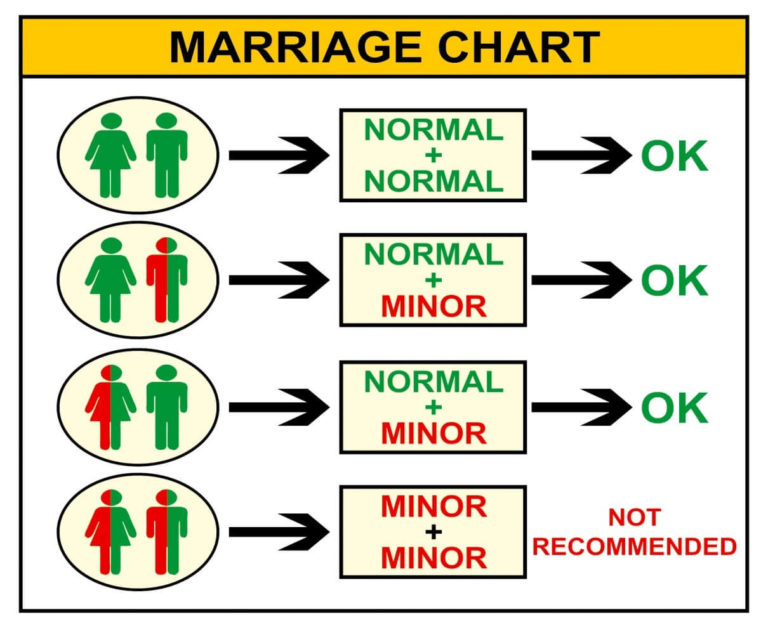
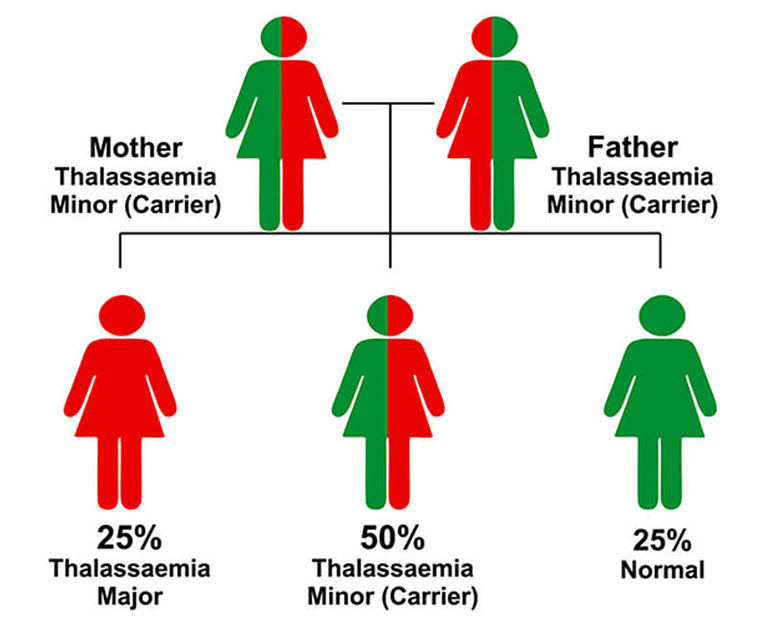
Thalassaemia is inherited when both parents carry the gene. Couples with thalassaemia minor have a one in four chance of having a child with thalassaemia major in each pregnancy. Genetic testing and counselling can help individuals understand their risk and make informed family planning decisions.
Spread Awareness:
Please share this information with your community and encourage others to learn about thalassaemia. Increased awareness and proactive testing are essential steps in preventing this genetic blood disorder.